FREE SHIPPING ON EACH ORDERFREE SHIPPING ON EACH ORDERFREE SHIPPING ON EACH ORDERFREE SHIPPING ON EACH ORDERFREE SHIPPING ON EACH ORDERFREE SHIPPING ON EACH ORDERFREE SHIPPING ON EACH ORDERFREE SHIPPING ON EACH ORDERFREE SHIPPING ON EACH ORDERFREE SHIPPING ON EACH ORDERFREE SHIPPING ON EACH ORDERFREE SHIPPING ON EACH ORDER
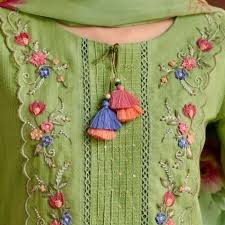
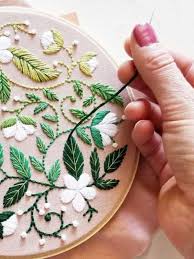
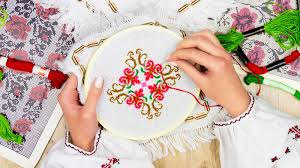
Handmade embroidery is the art of decorating fabric using a needle and thread by hand. Simple, right? But don’t let that simplicity fool you. Behind every stitched flower, geometric pattern, or intricate motif lies patience, skill, and creativity. It’s not just thread on cloth it’s storytelling woven into fabric.Close-up of colorful handmade embroidery with floral patterns stitched on fabric using vibrant threads.
Close-up of colorful handmade embroidery with floral patterns stitched on fabric using vibrant threads.
Unlike machine embroidery, handmade embroidery carries the human touch. Every stitch is slightly unique. That tiny imperfection? That’s what makes it beautiful.
Why It Still Matters Today
In a world of fast fashion and mass production, handmade embroidery feels like a breath of fresh air. It reminds us to slow down. To appreciate detail. To value craftsmanship.
Think about it when was the last time you wore something that felt truly special? Chances are, it had some form of handwork on it.
A Brief History of Embroidery
Ancient Origins
Embroidery isn’t new. In fact, it’s ancient. Historians believe embroidery dates back thousands of years. Early humans used bone needles and plant fibers to decorate animal skins. It was both functional and decorative.
As civilizations evolved, so did embroidery techniques.
Embroidery Across Cultures
Every culture has its own embroidery story.
Asian Traditions
Countries like China and India developed incredibly detailed styles. Silk threads, gold work, and floral motifs became common. Embroidery wasn’t just decoration it symbolized status and heritage.
European Influence
In medieval Europe, embroidery was often used in religious garments and royal clothing. Churches displayed embroidered tapestries that told stories from scripture. It was art with a purpose.
Middle Eastern Craftsmanship
The Middle East introduced bold patterns and geometric designs. Embroidery became part of daily wear, especially in traditional dresses, preserving identity and culture.
Types of Handmade Embroidery
Surface Embroidery
This is the most common type. Stitches are worked on top of the fabric. Think floral designs and decorative patterns.
Counted Thread Embroidery
Here, the stitcher counts fabric threads to create symmetrical designs. Cross-stitch falls into this category.
Needlepoint
Needlepoint uses canvas fabric and thicker threads. It’s often used for cushions and wall art.
Traditional Regional Styles
From Kashmiri embroidery to Mexican Otomi designs, each region has its own signature style. These techniques are often passed down through generations.
Popular Embroidery Stitches
Running Stitch
The simplest stitch. It’s like drawing a dotted line with thread. Perfect for beginners.
Satin Stitch
This stitch fills shapes with smooth, shiny threads. It creates a polished look.
Chain Stitch
Looks like linked chains. It’s decorative and bold.
Cross Stitch
Small X-shaped stitches form patterns. It’s structured and satisfying to complete.
Materials Used in Handmade Embroidery
Fabrics
Cotton, linen, silk, and even denim can be embroidered. The choice depends on the design and purpose.
Threads
Embroidery floss, silk thread, wool, and metallic threads all bring different textures. The thread is like paint for the artist.
Needles and Hoops
Embroidery needles have sharp tips and larger eyes. Hoops hold the fabric tight, making stitching easier and neater.
The Process of Creating Handmade Embroidery
Designing the Pattern
Every masterpiece starts with an idea. Some artists sketch directly on fabric. Others transfer printed patterns.
Preparing the Fabric
The fabric is washed, ironed, and stretched in a hoop. Preparation is key like priming a canvas before painting.
Stitching Techniques
This is where magic happens. Stitch by stitch, the design comes alive. It takes time. Sometimes hours. Sometimes days.
Finishing Touches
Once stitching is complete, threads are secured, fabric is cleaned, and the piece is ironed. The result? A handcrafted treasure.
Benefits of Handmade Embroidery
Emotional and Mental Benefits
Embroidery is therapeutic. The repetitive motion calms the mind. It reduces stress and increases focus. It’s like meditation with a needle.
Economic Value
Handmade embroidered items often sell at higher prices. Why? Because people value craftsmanship. It supports artisans and small businesses.
Sustainability and Slow Fashion
Handmade embroidery promotes slow fashion. Instead of buying five cheap shirts, you invest in one meaningful piece. It lasts longer. It means more.
Handmade Embroidery in Modern Fashion
Luxury Brands and Designers
High-end designers often incorporate hand embroidery into couture collections. It adds uniqueness and luxury.
Small Businesses and Artisans
Local brands and home-based businesses are keeping embroidery alive. Custom jackets, embroidered hijabs, personalized baby clothes the possibilities are endless.
Custom and Personalized Pieces
Want your name stitched on a tote bag? Or a special date embroidered on a dress? Handmade embroidery makes personalization possible.
How to Start Learning Embroidery
Basic Tools You Need
You only need a few things: fabric, thread, needle, hoop, and scissors. That’s it. No expensive equipment required.
Beginner-Friendly Projects
Start with small floral designs or simple quotes. Don’t aim for perfection. Aim for practice.
Tips for Improvement
Practice regularly. Watch tutorials. Experiment with colors. Most importantly, enjoy the process.
Challenges in Handmade Embroidery
Time and Patience
Embroidery is slow. It’s not for people who want instant results. But isn’t that the beauty of it?
Maintaining Consistency
Even stitches require practice. Uneven tension can distort the design. But with time, your hands learn the rhythm.
Conclusion
Handmade embroidery is more than a craft it’s an expression of culture, creativity, and patience. In a fast-moving world, it teaches us to slow down and appreciate detail. Every stitch tells a story. Every pattern carries meaning.
Whether you’re wearing an embroidered outfit or creating one yourself, you’re participating in a tradition that spans centuries. And honestly? That’s pretty powerful.
So next time you see a hand-embroidered piece, pause for a moment. Think about the hands that made it. The hours invested. The passion stitched into every thread.
That’s not just fabric. That’s art.
FAQs
1. Is handmade embroidery better than machine embroidery?
Handmade embroidery offers uniqueness and a personal touch, while machine embroidery is faster and more uniform. It depends on what you value more speed or craftsmanship.
2. How long does it take to complete an embroidered piece?
It varies. Small designs may take a few hours, while detailed pieces can take days or even weeks.
3. Can beginners learn embroidery easily?
Yes! With basic tools and simple stitches, anyone can start. Practice makes perfect.
4. Is embroidery expensive to start?
Not at all. Basic materials are affordable and widely available.
5. Why is handmade embroidery costly?
Because it requires time, skill, and effort. Each piece is made individually, making it valuable and unique.